

What It Really Means to Right-Size Your Home in Retirement
There's a word that gets used a lot in retirement planning conversations: downsizing.
It sounds simple enough. Smaller home, lower maintenance, less to manage. But in twenty years of helping families navigate major life transitions, I've noticed that the word "downsizing" often leads people in the wrong direction because it starts with what you're giving up rather than what you're moving toward.
Right-sizing is a different conversation entirely.
It Starts With the Life, Not the Listing
Before you ever look at a floor plan or schedule a showing, the most useful question you can ask yourself is this: What does my ideal retirement day actually look like?
Not the aspirational version you describe at dinner parties. The real one. The quiet Tuesday in February when there's nothing on the calendar and you get to choose exactly how the day unfolds.
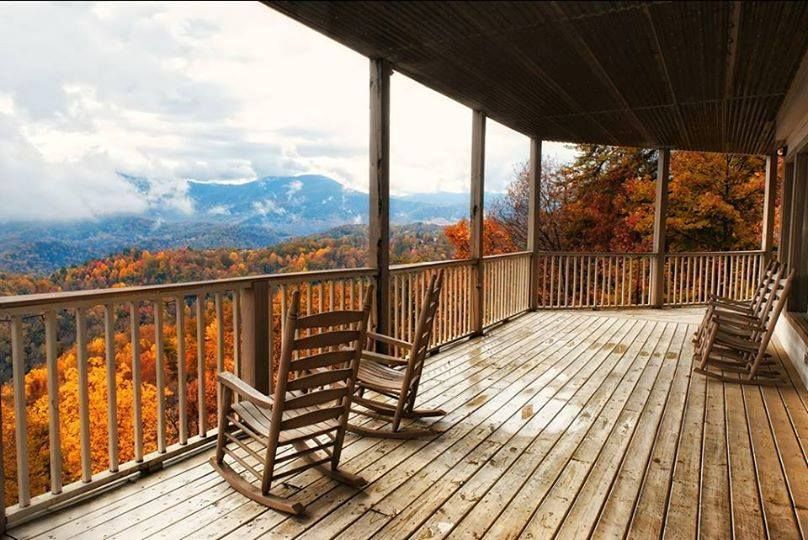
Do you want a garden to tend in the morning? A porch with a long view and a cup of coffee? A neighborhood where you can walk to something? A guest room that stays ready for the grandchildren?
Your answers to those questions matter far more than square footage. And they should come first.
The Emotional Weight Nobody Talks About
Moving out of a longtime family home is one of the more complex emotional experiences a person can go through and it rarely gets the acknowledgment it deserves.
There is real grief in leaving a place where children were raised, holidays were celebrated, and ordinary Tuesday mornings became memories. That's not something to minimize or rush past.
At the same time, holding onto a home out of sentiment when it no longer fits the life you're living carries its own quiet cost. Extra bedrooms that go unused. A yard that demands weekends you'd rather spend differently. Stairs that are starting to feel like a negotiation.
The goal isn't to talk yourself out of your feelings. It's to make sure your feelings are pointing you toward the right decision, not just the familiar one.
Practical Considerations That Are Easy to Overlook
Once you've gotten clear on the life you want, the practical questions become much easier to evaluate honestly.
Maintenance burden. A smaller home doesn't automatically mean less upkeep. An older property in need of updates, or a vacation home that sits empty for months, can demand more time and attention than a well-designed newer home with a homeowners association handling the exterior. Think carefully about where your time and energy will actually go.
Layout and livability. It's worth thinking about how your needs may shift over the next ten to twenty years. Single-story layouts, wider doorways, accessible bathrooms, these aren't just features for later. They're investments in comfort that tend to appreciate in value as you age.
Proximity and connection. One of the most underestimated factors in retirement satisfaction is staying connected to the people and places that matter most. How far are you from family? From your doctors? From the community and friendships you've built? A beautiful home in a remote location can start to feel isolating faster than most people expect.
The right kind of community. There's a meaningful difference between a mountain location and a mountain community. Some areas offer rich social infrastructure, neighbors who look out for each other, local events, active organizations, and a genuine sense of belonging. Others offer scenery and solitude. Both have value. The question is which one fits who you are.
What Right-Sizing Actually Looks Like
For some families, right-sizing means moving from a four-bedroom suburban home into a well-appointed two-bedroom in a walkable mountain town. For others, it means a craftsman cottage on a quiet acre with a covered porch and room for a garden. For others still, it's a second home that becomes a primary residence once the timing is right.
There is no universal template.
What they all share is intentionality. The sense that the decision was made thoughtfully, not reactively. That the home was chosen because it supports the life, not the other way around.
A Note on Timing
One of the most common mistakes I see in this process is the pressure people put on themselves to move before they're ready.
Sometimes that pressure comes from the market. Sometimes it comes from family. Sometimes it's internal, a sense that the window is closing and a decision needs to be made.
In most cases, that urgency isn't real. And decisions made under pressure rarely produce the outcome people were hoping for.
The right move, made at the right time, for the right reasons, will feel different from a decision made in haste. You'll know the difference when you feel it.
Final Thoughts
Right sizing your home means more than downsizing square footage. We've walked through the emotional weight of this decision. How your home should match the retirement life you actually want to live, not just the one you think you should have. The practical considerations matter too, maintenance demands that fit your energy levels, layouts that work for aging bodies, locations that keep you connected to what matters most.
This information helps you avoid the common trap of rushing into a smaller home without considering whether it truly serves your goals. Instead of focusing on what you're giving up, you can focus on what you're gaining, less time spent on upkeep, more freedom to travel or pursue hobbies, stronger community connections, and easier access to family and healthcare.
The key insight here is that your next home should support the slower, more intentional lifestyle retirement offers. Some people need a garden to tend, others want a maintenance-free condo. Some crave mountain views and quiet mornings, others prefer walkable neighborhoods with coffee shops nearby. There's no universal right answer.
Take your time with this decision. Your current home isn't going anywhere, and the right opportunity will present itself when you're ready. Start by getting clear on what your ideal retirement day looks like, then work backward to find the home that makes those days possible. Visit potential areas during different seasons, talk to locals, and trust your instincts about where you feel most at peace.
Check out this article next